
Unexpected expenses have a way of arriving at the worst possible time. A medical bill, sudden job loss, urgent home repair, or vehicle problem can quickly disturb your finances when you have no savings available.
This is where an emergency fund becomes valuable. It gives you a financial cushion that can help you handle unexpected costs without immediately depending on credit cards, loans, or borrowed money.
If you’re starting with ₹0, reaching ₹1 lakh may initially seem difficult. However, breaking the goal into smaller monthly or weekly targets can make it much more manageable.
What Is an Emergency Fund?
An emergency fund is money kept specifically for unexpected and necessary expenses. It is different from money you save for holidays, shopping, gadgets, or other planned purchases.
The purpose of an emergency fund is to provide financial stability when something unexpected happens.
Common situations where emergency savings may help include:
- Sudden medical expenses
- Temporary loss of income
- Urgent vehicle repairs
- Essential home repairs
- Unexpected family expenses
- Emergency travel
- Essential appliance replacement
- Other unavoidable financial emergencies
The money should generally remain accessible because emergencies don’t always give you time to wait for an investment to mature.
Why Should You Build an Emergency Fund?
Without emergency savings, an unexpected expense can force you to make difficult financial decisions.
For example, suppose your car suddenly requires a ₹20,000 repair. If you don’t have savings, you might use a credit card or take a short-term loan.
That can turn a ₹20,000 emergency into a much larger expense because of interest and fees.
An emergency fund can provide several benefits:
- Reduces financial stress
- Protects your regular monthly budget
- Reduces dependence on high-interest debt
- Helps you handle unexpected expenses
- Provides greater financial confidence
- Supports long-term financial planning
It isn’t about becoming rich overnight. It’s about creating a financial safety net.
Is ₹1 Lakh Enough for an Emergency Fund?
₹1 lakh can be a useful first milestone, but it isn’t necessarily the ideal emergency fund for everyone.
The appropriate amount depends on your monthly essential expenses, income stability, family responsibilities, debt obligations, and lifestyle.
For example, someone with essential monthly expenses of ₹20,000 may have a different emergency fund requirement than someone whose essential expenses are ₹60,000.
A useful long-term goal may be to eventually maintain several months of essential expenses.
For beginners, however, ₹1 lakh is a clear and measurable target that can help develop a strong saving habit.
Step 1: Start With ₹0 Without Feeling Overwhelmed
If you currently have no emergency savings, don’t focus too much on the final ₹1 lakh.
Instead, divide the goal into smaller milestones:
- First ₹1,000
- Then ₹5,000
- Then ₹10,000
- Then ₹25,000
- Then ₹50,000
- Finally ₹1,00,000
Each milestone makes the next one feel more achievable.
The first objective isn’t to save a huge amount immediately. It’s to prove to yourself that you can consistently put money aside.
Step 2: Calculate Your Monthly Income
Before deciding how much you can save, calculate your monthly take-home income.
Include reliable income sources such as:
- Salary
- Freelance income
- Business income
- Part-time earnings
- Other predictable income
If your income changes every month, use a conservative estimate based on your normal earnings.
The goal is to create a savings target that you can maintain without compromising essential expenses.
Step 3: Track Your Expenses
You can’t effectively save money if you don’t know where it is going.
Track your expenses for at least one month. Review bank statements, UPI transactions, card payments, subscriptions, and cash spending.
Divide expenses into categories such as:
- Housing
- Food
- Transportation
- Utilities
- Debt payments
- Shopping
- Entertainment
- Subscriptions
- Personal expenses
After tracking everything, look for expenses that can be reduced without affecting your basic needs.
Even saving ₹50–₹100 from several categories can gradually create additional room in your budget.
Step 4: Choose a Monthly Savings Target
Now decide how much you can realistically transfer toward your emergency fund every month.
Here are some simple examples:
| Monthly Saving | Time to Reach ₹1 Lakh |
|---|---|
| ₹1,000 | 100 months |
| ₹2,500 | 40 months |
| ₹5,000 | 20 months |
| ₹7,500 | About 14 months |
| ₹10,000 | 10 months |
| ₹12,500 | 8 months |
| ₹15,000 | About 7 months |
| ₹20,000 | 5 months |
These calculations don’t include any interest or investment returns.
The important point is that there is no single correct savings amount. Choose a target that fits your current financial situation.
Step 5: Automate Your Savings
One of the easiest ways to build an emergency fund is to automate the process.
Instead of waiting until the end of the month to see what remains, transfer your chosen amount soon after receiving your income.
For example, if you receive your salary on the first day of the month, you could automatically move ₹5,000 into a separate savings account.
Automation reduces the temptation to spend the money before saving it.
Think of your emergency savings contribution as a regular financial obligation.
Step 6: Create a Separate Emergency Savings Account
Keeping emergency money in the same account you use for daily spending can make it easier to spend accidentally.
Consider keeping your emergency fund separate from your everyday transaction account.
The account should ideally be:
- Easily accessible
- Relatively low risk
- Separate from everyday spending
- Suitable for short-term savings
- Convenient during genuine emergencies
The goal is not to chase high investment returns. The primary objective is preserving access to your emergency money when you need it.
Step 7: Cut Unnecessary Expenses
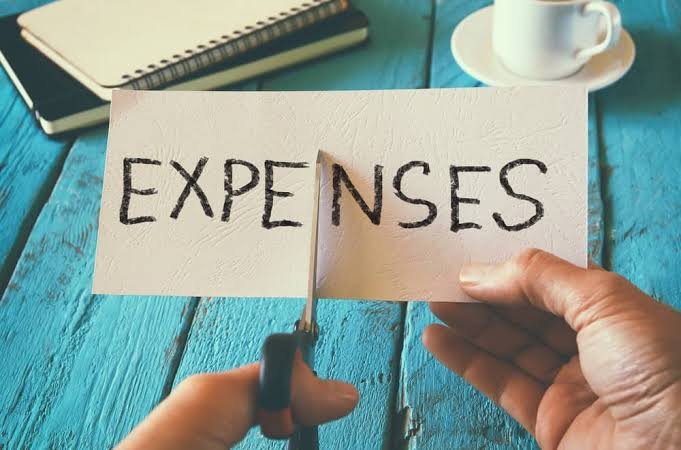
You don’t have to completely change your lifestyle to save ₹1 lakh.
Instead, identify a few expenses that provide relatively little value.
For example, you might review:
- Unused streaming subscriptions
- Frequent food delivery
- Impulse shopping
- Unplanned online purchases
- Expensive memberships
- Frequent entertainment spending
- Unnecessary convenience fees
Suppose you reduce your spending by ₹2,000 per month and redirect that money into your emergency fund.
That’s ₹24,000 in additional savings over one year.
Small changes can become meaningful when repeated consistently.
Step 8: Use Extra Income to Accelerate Your Goal
Your regular salary doesn’t have to be the only source of emergency savings.
Whenever you receive additional money, consider directing some or all of it toward your emergency fund.
Potential sources include:
- Freelance projects
- Bonuses
- Gifts
- Cash-back rewards
- Selling unused items
- Temporary side work
- Business income
For example, if you receive an unexpected ₹10,000 and already have your regular expenses covered, putting that money toward your emergency fund can significantly shorten the journey to ₹1 lakh.
Step 9: Try the 30-Day No-Spend Challenge
A short no-spend challenge can help you identify unnecessary spending.
The idea isn’t to stop paying essential bills. Instead, temporarily avoid non-essential purchases.
During the challenge, you could reduce:
- Restaurant meals
- Online shopping
- Entertainment purchases
- Unnecessary clothing
- Expensive coffee or snacks
- Non-essential subscriptions
At the end of the month, transfer the amount you saved into your emergency fund.
Even if you don’t continue the challenge permanently, you may discover spending habits that can be changed.
Step 10: Save Your First ₹10,000
The first ₹10,000 is an important psychological milestone.
Instead of focusing on the entire ₹1 lakh, make this your immediate target.
You could reach ₹10,000 by:
- Saving ₹2,000 for five months
- Saving ₹5,000 for two months
- Saving ₹10,000 once
- Combining regular savings with extra income
Once you reach ₹10,000, the larger goal becomes easier to visualize.
Step 11: Continue From ₹10,000 to ₹50,000
After reaching your first milestone, keep the same system running.
If you save ₹5,000 every month, the next ₹40,000 would take approximately eight months, excluding interest.
During this stage, avoid withdrawing the money for non-emergency purchases.
Your emergency fund should have a clear purpose.
Ask yourself before using it:
“Is this expense unexpected, necessary, and difficult to cover from my regular income?”
If the answer is no, consider using your normal spending budget instead.
Step 12: Reach the ₹1 Lakh Milestone
Once your emergency savings reaches ₹1 lakh, don’t immediately stop saving.
Take a moment to evaluate your overall financial situation.
Consider:
- Your monthly essential expenses
- Job or income stability
- Existing debt
- Family responsibilities
- Insurance coverage
- Future financial goals
For some people, ₹1 lakh may cover several months of essential expenses. For others, it may only cover a portion.
Think of ₹1 lakh as a milestone rather than the final destination.
What Should You Not Use Your Emergency Fund For?
An emergency fund should generally be reserved for genuine financial emergencies.
Avoid using it for:
- New smartphones
- Vacations
- Restaurant bills
- Regular shopping
- Entertainment
- Planned purchases
- Lifestyle upgrades
- Impulse purchases
If you regularly use emergency savings for non-emergency expenses, it becomes difficult to maintain financial security.
Create separate savings categories for planned expenses whenever possible.
Where Should You Keep Your Emergency Fund?
Emergency savings should prioritize accessibility and capital preservation rather than aggressive returns.
Depending on your circumstances, you might consider options such as:
- A separate savings account
- A suitable bank deposit
- Other relatively liquid, low-risk savings options
The exact choice depends on your financial needs, access requirements, tax situation, and risk tolerance.
Avoid placing your entire emergency fund into highly volatile investments where the value could fall significantly when you suddenly need the money.
How to Stay Motivated While Saving ₹1 Lakh
Saving can become frustrating when progress feels slow.
One simple solution is to make your progress visible.
Create a savings tracker with milestones:
₹0 → ₹10K → ₹25K → ₹50K → ₹75K → ₹1L
You can also use a spreadsheet, budgeting app, notebook, or personal finance tool to monitor your progress.
Celebrate milestones without spending the money you’ve worked hard to save.
The reward is knowing that you are becoming financially better prepared.
What If You Have Debt?
If you have high-interest debt, your financial plan may need to balance debt repayment with emergency savings.
Having at least a small emergency reserve can help prevent every unexpected expense from going onto a credit card.
After establishing a basic financial cushion, you can review your debt interest rates and repayment strategy.
Your priorities may include:
- Maintaining minimum payments
- Building a starter emergency fund
- Paying down expensive debt
- Increasing emergency savings
- Investing after essential financial priorities are addressed
The right balance depends on your individual circumstances.
Emergency Fund vs Savings Account
These terms are often used interchangeably, but their purposes can be different.
A general savings account may hold money for planned goals such as a vacation, education, or a future purchase.
An emergency fund has a specific purpose: protecting you against unexpected and necessary expenses.
Keeping these goals separate can make your finances easier to manage.
For example:
- Emergency fund: Unexpected medical expense
- Vacation savings: Planned holiday
- Gadget savings: New laptop
- Investment account: Long-term wealth building
Clear categories make it easier to avoid spending emergency money unnecessarily.
Final Thoughts
Building an emergency fund from ₹0 to ₹1 lakh doesn’t require a massive salary or extreme lifestyle changes. It requires a realistic plan, consistent saving, and patience.
Start with a small milestone instead of focusing on the entire amount. Track your spending, automate savings, reduce unnecessary expenses, and use additional income whenever possible.
Remember that financial progress isn’t always dramatic. Saving ₹1,000 today may not feel significant, but repeated over months and years, those contributions can create a meaningful financial cushion.
Once you reach ₹1 lakh, review your situation and decide whether your emergency savings should grow further. Your ultimate goal should be to build enough financial security to handle life’s unexpected moments without derailing your larger financial plans.
Start with ₹1,000. Then ₹5,000. Then ₹10,000. Keep going until ₹1 lakh becomes a milestone you’ve already achieved.