
The Rise of Multi-Agent Systems: How AI Teammates Will Collaborate in 2026
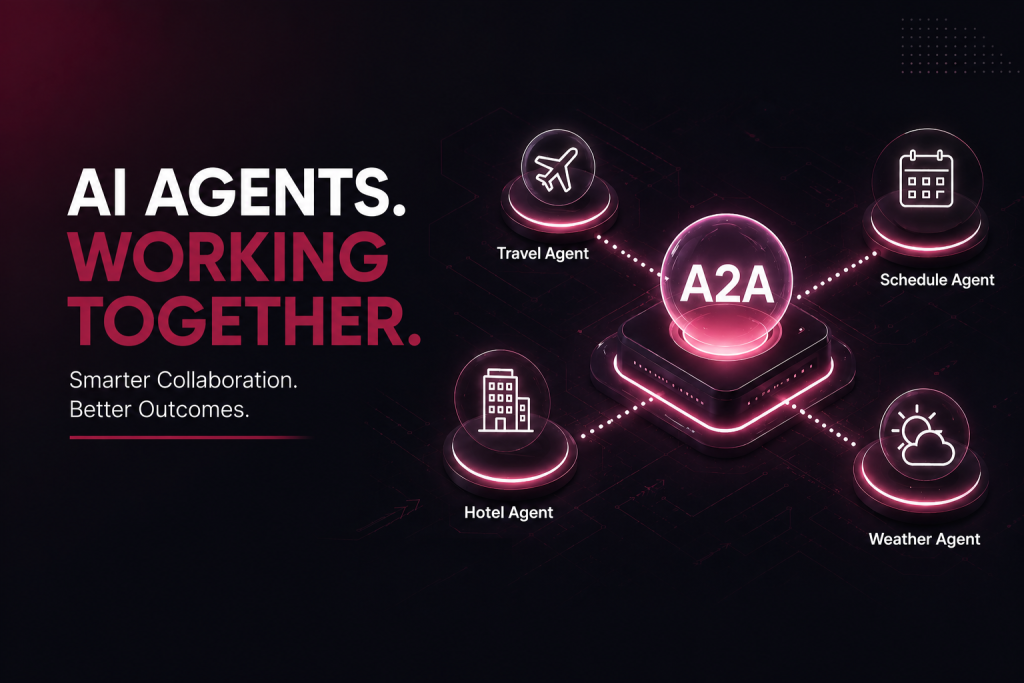
Artificial intelligence is moving beyond simple chatbots and one-question-at-a-time assistants. In 2026, a growing area of AI development is the use of multi-agent systems, where multiple AI agents work together to complete complex objectives. Instead of asking one AI system to handle an entire project, organizations can assign different responsibilities to specialized AI teammates. One agent might research information, another could analyze data, while another prepares a report or executes an approved action. This shift is closely connected to the rise of agentic AI, autonomous AI systems, AI automation, intelligent workflows, and AI-powered business processes. Google Cloud describes 2026 as a period in which agents are increasingly being connected to complete workflows rather than isolated tasks. What Are Multi-Agent Systems? A multi-agent system is an AI environment in which multiple software agents cooperate to achieve a shared objective. Each agent can have a particular role, set of tools, instructions, or area of expertise. For example, imagine a company launching a new product. Instead of relying on one AI assistant, the organization could use several AI teammates: The idea is similar to a human team where different people contribute different skills. Research published in 2026 on LLM-based multi-agent systems describes this task specialization and collaboration as a way of tackling problems that can be difficult for a single AI agent. 1. AI Agents Working Together on Complex Tasks One of the biggest changes in 2026 is the movement from single-task AI assistance toward multi-step AI workflows. A traditional chatbot may answer a question or generate a document. An AI agent can go further by planning a sequence of actions, using tools, accessing information, and completing several steps toward a goal. When multiple agents are connected, these capabilities can become more powerful. How AI Teammates Can Divide Work Suppose a business wants to analyze why its website traffic has declined. A multi-agent system could divide the project into several assignments. The research agent could examine industry trends. The analytics agent could inspect traffic data. The SEO agent could identify ranking changes. Another agent could analyze competitors. A coordinator agent could then combine the results and prepare a summary for a human manager. This approach creates an AI team structure rather than treating AI as a single digital assistant. Why Task Specialization Matters Specialized agents can be configured for specific responsibilities instead of expecting one model to understand every part of a complicated workflow. Potential benefits include: Google Cloud’s 2026 AI agent research specifically highlights multi-agent workflows in which agents communicate and coordinate to automate complex, multi-step business processes. 2. AI Teammates and Human Collaboration AI teammates are not necessarily designed to replace every human responsibility. A major model emerging in 2026 is human-AI collaboration, where people provide goals, judgment, supervision, and approval while agents handle portions of the execution. Microsoft’s 2026 Work Trend Index describes this transition as agents taking on more execution while people increasingly focus on directing work, making decisions, and owning outcomes. The research was based on productivity signals and a survey of 20,000 AI-using workers across 10 countries. Imagine a marketing manager planning a campaign. Instead of manually completing every step, the manager could provide the campaign objective. AI teammates could then: The human manager would still review important decisions, provide creative direction, and approve major actions. The Human Role May Change As AI automation becomes more capable, employees may spend less time on repetitive execution and more time on: However, human oversight remains important because AI agents can produce incorrect information, misunderstand objectives, or make inappropriate decisions. A 2026 academic survey of human-agent collaboration identifies human feedback, interaction, orchestration, and communication as important components of reliable human-AI systems. 3. AI-to-AI Communication and Coordination For multiple AI teammates to work effectively, they need a way to communicate. This creates an important area of development: AI-to-AI communication. Instead of every agent working independently, agents can exchange information about completed tasks, required resources, findings, and next steps. For example: Research Agent → Data Agent → Strategy Agent → Content Agent → Review Agent The research agent could provide information to the data agent. The data agent could identify important patterns. The strategy agent could convert those findings into recommendations, while the content agent turns approved recommendations into communication material. A coordination layer can determine which agent should receive the next task. AI Orchestration This process is often referred to as AI orchestration or agent orchestration. An orchestration system may: This architecture can make AI systems resemble digital project teams. Interoperability is also becoming important. Google Cloud has highlighted cross-platform agent collaboration and the development of protocols intended to help different AI agents communicate and work together. 4. AI Teammates in Business and Remote Work Businesses are among the areas where multi-agent systems could have a significant practical impact. AI agents are increasingly being connected to business applications, databases, communication tools, and enterprise workflows. OpenAI’s 2026 enterprise research describes a shift from AI assistance toward delegating more substantive work to agents. Potential Business Applications Customer Support:One agent can classify customer requests, another can search the knowledge base, and another can prepare a response for approval. Marketing:AI teammates can research audiences, analyze campaigns, generate content, and prepare performance summaries. Finance:Agents can organize financial information, identify unusual transactions, prepare reports, and assist analysts. Software Development:Different agents can work on coding, testing, documentation, debugging, and code review. Human Resources:Agents can help organize job descriptions, screen information according to predefined criteria, schedule interviews, and prepare administrative documents. Sales:AI agents can research prospects, update CRM information, summarize meetings, and prepare follow-up drafts. The advantage is not simply having more AI tools. The larger opportunity is connecting them into a coordinated workflow. Multi-Agent Systems and Remote Teams Remote teams may also benefit from AI coworkers that operate continuously across digital systems. For example, an AI project coordinator could track deadlines while other agents monitor customer feedback, prepare reports, or summarize team discussions. However, organizations need clear rules regarding permissions, data access, accountability, and human approval before